
African aviation is entering an ambitious period of growth.
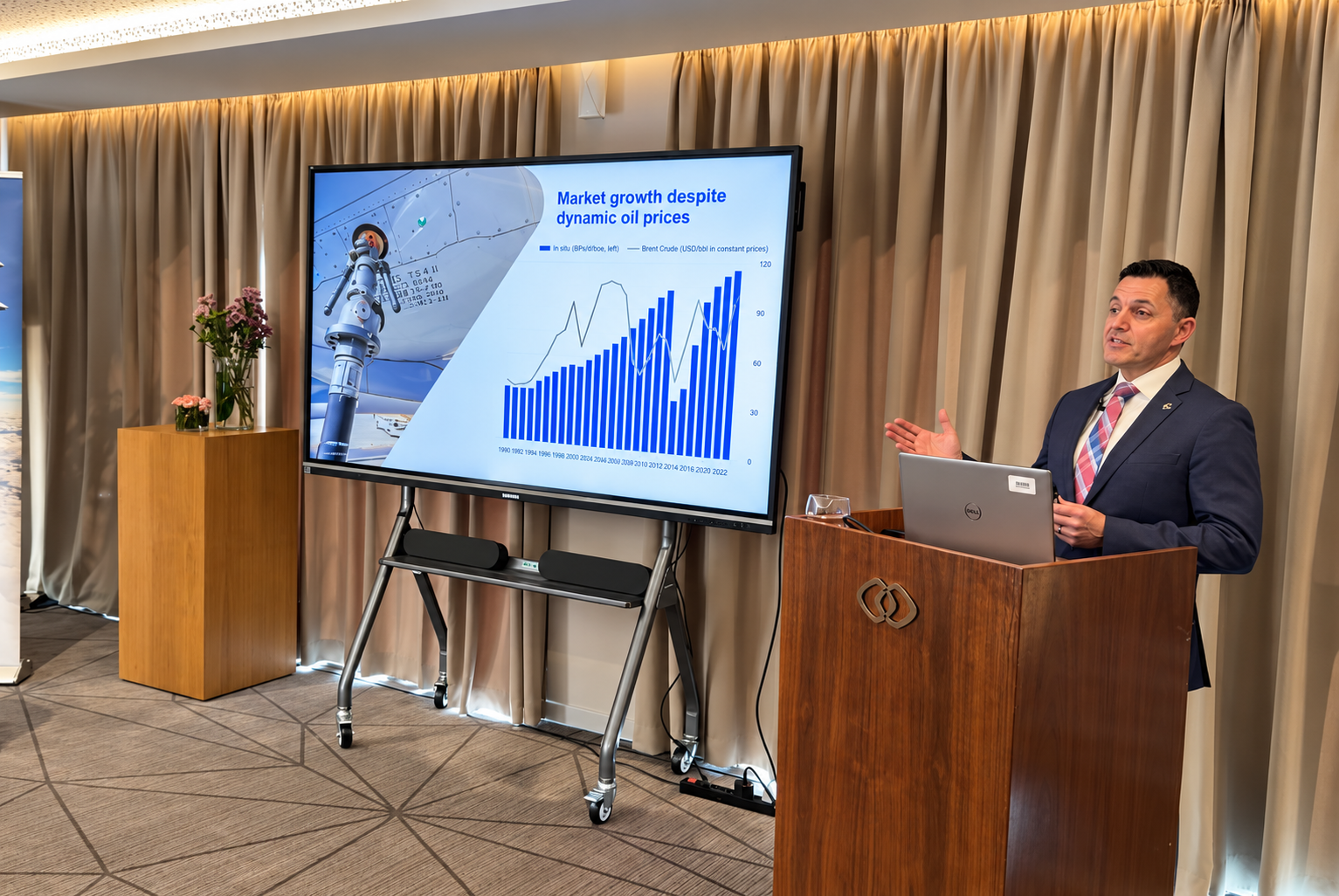
In Marrakech, ahead of the 2026 Marrakech Airshow, Boeing presented its twenty-year outlook for the continent. According to the manufacturer, African passenger traffic is expected to grow by an average of 5.8% per year through 2045, positioning Africa among the world’s fastest-growing aviation markets. Médias24
This growth is expected to transform fleets, maintenance capabilities, infrastructure and aviation services.
But behind aircraft orders and new routes lies another equally important challenge:
skills.
For organizations operating in the sector, growth will not only depend on having enough aircraft.
It will also depend on having the people required to operate, maintain and manage them safely and effectively.
75,000 professionals will need to be recruited and trained
According to Boeing’s projections, African operators will need to recruit and train approximately 75,000 new aviation professionals.
This includes:
22,000 pilots, 25,000 maintenance technicians and 28,000 cabin crew members. Médias24
These figures highlight a fundamental principle: a sector can only grow sustainably when its talent pool develops at the same pace.
Ordering aircraft is an industrial and financial decision.
Building the capabilities required to operate them is a Human Capital decision.
Training must begin before shortages become critical
In highly technical and regulated industries such as aviation, certain capabilities require years of training, certification and practical experience.
Organizations therefore cannot wait until a role becomes vacant before preparing its replacement.
They need to anticipate:
Which roles will experience the greatest demand?
How many people will need to be recruited?
Which capabilities can be developed locally?
Which profiles require specialized training?
Which employees can progress into greater responsibilities?
Capability planning therefore becomes a strategic business discipline.
Maintenance growth is also a Human Capital challenge
Boeing estimates Africa’s aviation services market at approximately USD 140 billion through 2045, with maintenance, repair and overhaul activities accounting for around USD 90 billion. Médias24
This growth will require more than facilities.
It will also require technicians, engineers, quality specialists, maintenance managers and experienced operational professionals.
For Morocco, which already has a significant aerospace ecosystem, this evolution may further reinforce the importance of technical training and knowledge transfer.
Boeing also highlighted its more than fifty-year relationship with Morocco and described the country as a competitive strategic partner for high-precision aerospace components. Médias24
Royal Air Maroc's ambitions also create an organizational challenge
Royal Air Maroc aims to expand its fleet to 200 aircraft by 2037, with initial deliveries from its major expansion program expected from 2028. Médias24
Growth on this scale naturally extends beyond aircraft acquisition.
As fleets expand, organizations need to increase their capabilities across flight crews, maintenance, planning, technical operations, ground activities, management and support functions.
This does not imply that Royal Air Maroc currently faces a skills problem.
It simply illustrates that a growth strategy of this scale inevitably includes a Human Capital dimension.
Training becomes strategic infrastructure
Aviation growth is often discussed in terms of airports, maintenance centers and aircraft.
Training is also infrastructure.
Boeing estimates that aviation training in Africa could represent approximately USD 5 billion through 2045. Médias24
But training additional pilots and technicians is only part of the challenge.
Organizations must also develop future managers, technical leaders, instructors and executives.
Training therefore needs to connect directly with workforce planning, internal mobility, succession planning and critical capability development.
Attracting talent will not be enough
As airlines, manufacturers and maintenance organizations compete for similar profiles, experienced aviation professionals may become increasingly sought after.
Recruitment alone will therefore not be sufficient.
Organizations will also need to focus on retention, career development, management quality and knowledge transfer.
The question is no longer only:
“Where do we find the talent?”
It is also:
“How do we develop it and create the conditions for it to stay?”
From traffic growth to execution capability
Boeing’s projections are primarily an economic and industrial outlook for African aviation.
They do not demonstrate that African airlines currently face a generalized skills shortage.
They do, however, highlight an important reality:
fleet growth will need to be matched by capability growth.
Aircraft can be ordered.
Infrastructure can be built.
But skills take time to develop.
Preparing tomorrow’s aviation growth therefore means preparing today the pilots, technicians, managers and specialists who will make it possible.
MAK Associates supports organizations in identifying strategic capabilities, Executive Search, workforce planning and Human Capital structuring.
News source: Médias24 — “À Marrakech, Boeing dévoile ses projections pour l’Afrique et se positionne face aux ambitions de la RAM,” October 7, 2026.